Is Your DEI Program an FCA Liability? Navigating the EO 14398 April 25 Deadline
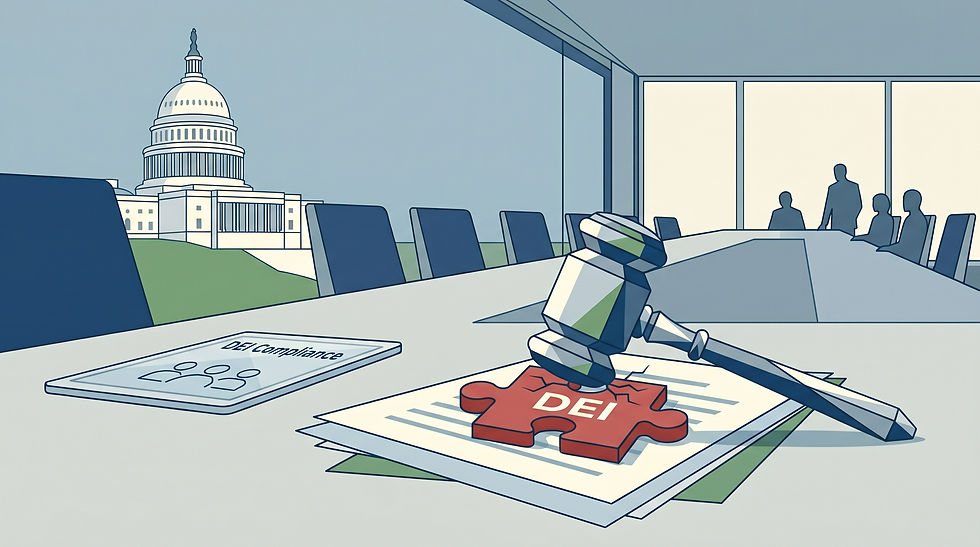
If you’ve been in the GovCon world for more than a minute, you know the drill: a new Executive Order drops, and suddenly the "way we’ve always done it" becomes a compliance landmine.
On March 26, 2026, President Trump signed EO 14398, "Addressing DEI Discrimination by Federal Contractors." Unlike some administrative shifts that offer a long grace period, this one is moving fast. By April 25, a mandatory compliance clause will be inserted into all new federal contracts and solicitations.
Here is the bottom line: The government has officially linked racially discriminatory DEI activities to the False Claims Act (FCA). Compliance is now "material" to payment, meaning an audit of your HR practices is no longer just about "best practices"—it’s about protecting your revenue from the Civil Rights Fraud Initiative.
What is Prohibited for DEI Under EO 14398?

The EO targets specific activities that the administration defines as discriminatory. In the context of your daily operations, this means you can no longer use race or ethnicity as a factor in:
Hiring and Promotions: No demographic-based targets or quotas.
Subcontracting: Selection must be based on merit, not diversity goals.
Resource Allocation: Corporate funding or leadership training cannot be restricted to specific groups.
The IBM DEI Settlement: A $17 Million Warning
We’ve already seen the first major enforcement action under this new framework. On April 10, the DOJ secured a $17 million settlement with IBM regarding DEI False Claims Act liability. The core of the case? IBM certified compliance with anti-discrimination laws while allegedly tying executive bonuses to demographic targets.
For a small or mid-sized contractor, a settlement of that scale, or the resulting debarment, is a business-ending event.

New Subcontractor DEI Flow-Down Requirements
The mandatory clause requires you to do more than just "stop" certain programs. To maintain federal procurement compliance, you must now:

Implement the Flow-Down: You are responsible for ensuring every subcontractor, at every tier, complies with EO 14398.
Report Known Violations: You are legally obligated to report "known or knowable" violations by your subs to the contracting agency.
Open the Books for Audits: You must provide the government access to HR records and accounts to prove you have shifted to merit-based hiring compliance.
The Path Forward for Small Government Contractors
-
Most small contractors operate with lean back offices. You might have been handling HR informally or using makeshift processes that haven't been audited in years. Under this new EO, that lack of formal structure is your biggest risk.

At CRI, we specialize in taking this complexity off your plate. We help you audit your internal policies and update subcontractor agreements to ensure they align with the new federal standards before the April 25 deadline hits.
The goal isn't just to stay out of trouble—it’s to ensure your back office is as professional and compliant as the technical work you deliver to the agency.